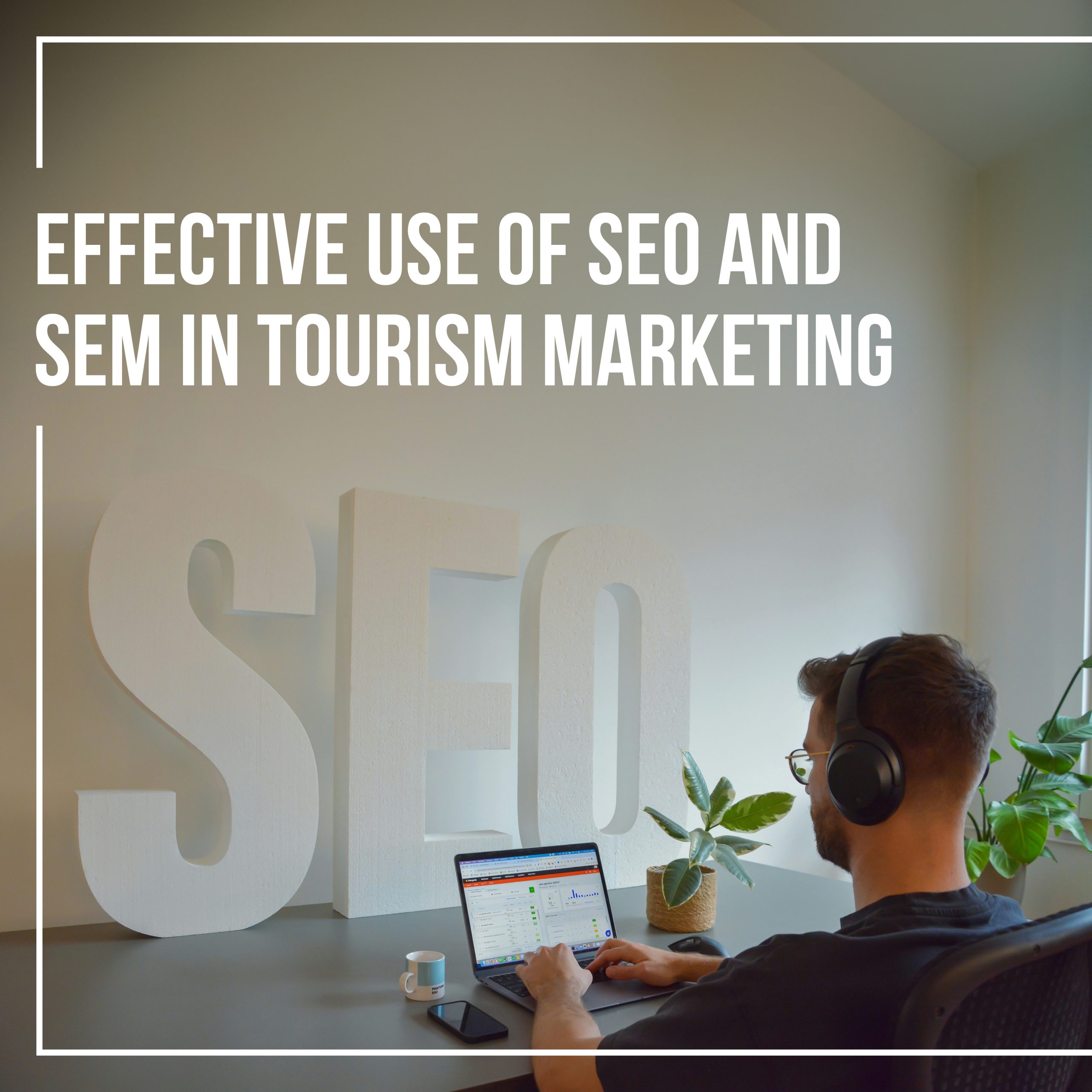
 Mastering the art of SEO (Search Engine Optimization) and SEM (Search Engine Marketing) has become crucial for Destination Marketing Organizations (DMOs) aiming to elevate their tourism marketing strategies. These tools are key to boosting visibility, attracting more visitors, and promoting sustainable tourism practices. Let’s explore how leveraging SEO and SEM can keep your destination at the forefront and make it a must-visit.
Understanding SEO in Tourism Marketing
SEO is all about getting your website and content to the top of search engine results pages (SERPs). But it’s not just about being seen; it’s about being found by the right people at the right time. Here’s where to focus:
Keyword Research:
Start by identifying the keywords your potential visitors are typing into search engines. Think of phrases like “destination marketing,” “tourism marketing strategies,“ and “eco-friendly tourism initiatives.“ These keywords help you attract a targeted audience that’s already interested in what you offer.
On-Page SEO:
Make sure your website content is optimized with these keywords. This means your meta titles, descriptions, headers, and body text should all reflect the terms your audience is searching for. Phrases like “sustainable tourism“ and “visitor experience enhancement“ should naturally flow within your content to boost your relevance in search results.
Quality Content:
Content is king, and quality content is your kingdom. Create engaging, high-quality articles that address the needs and interests of your audience. Topics like “tourism and hospitality trends“ or “AI in tourism marketing“ can position your DMO as a thought leader in the industry, drawing in visitors who value expertise and insight.
Mobile Optimization:
With more people searching on their phones, having a mobile-friendly website isn’t optional—it’s critical. A seamless mobile experience can be the difference between a visitor choosing your destination or moving on to another.
Local SEO:
Don’t forget to optimize for local search. Claim your Google My Business listing and encourage visitors to leave reviews. Highlight local attractions, events, and unique experiences to boost your visibility in local search results, making it easier for nearby travelers to find and choose your destination.
Leveraging SEM for Tourism Marketing
While SEO builds organic visibility over time, SEM accelerates it through paid advertising. Here’s how to make the most of SEM:
Pay-Per-Click (PPC) Advertising:
Create targeted PPC campaigns on platforms like Google Ads. Use specific keywords such as “social media marketing for tourism“ or “public-private partnerships in tourism“ to reach the demographics most likely to be interested in what your destination offers.
Retargeting:
Ever notice how a product you looked at online seems to follow you around the web? That’s retargeting. Implement this strategy to keep your destination top-of-mind for visitors who’ve already shown interest, encouraging them to book that trip they’ve been considering.
Ad Extensions:
Enhance your ads with extensions that provide additional information like location, phone number, and links to specific pages on your website. These features can improve click-through rates and make the visitor’s journey smoother from the very start.
Enhancing Visitor Experience with SEO and SEM
Ultimately, the goal of SEO and SEM isn’t just to get clicks—it’s to create unforgettable visitor experiences. Here’s how:
Content Personalization:
Use data analytics to understand visitor behavior and preferences. Tailor your content to offer personalized recommendations, improving engagement and satisfaction. When visitors feel like the experience is crafted just for them, they’re more likely to return.
Sustainable Practices:
Highlight your commitment to sustainability. Create content around “eco-friendly tourism initiatives“ and showcase how your destination is working to minimize its environmental impact. This resonates with the growing number of eco-conscious travelers.
AI Integration:
Leverage AI-driven tools to supercharge your marketing efforts. AI can predict travel trends, personalize visitor experiences, and even optimize your ad spend, ensuring every dollar is well spent.
Partnerships:
Form public-private partnerships to pool resources and amplify your marketing efforts. Collaborative campaigns can be more innovative and reach a wider audience, benefiting everyone involved.
Staying Ahead of Trends
In this fast-moving industry, keeping up with “tourism and hospitality trends“ is crucial. Regularly update your SEO and SEM strategies to align with the latest developments. Whether it’s adopting new technologies, adjusting to changing visitor preferences, or optimizing your campaigns for better performance, staying ahead of trends ensures your destination remains competitive.
Final Thoughts
Mastering SEO and SEM can transform your destination’s visibility and attract more visitors while promoting sustainable tourism practices. By focusing on the right keywords, creating high-quality content, and leveraging paid advertising, your DMO can lead in the competitive tourism industry. Embrace digital transformation, keep innovating, and watch your destination thrive.
For more insights on how to take your tourism marketing to the next level, let’s connect. Set up a call with us here, and together, we’ll create a strategy that turns your destination into a must-visit spot on everyone’s travel list.