
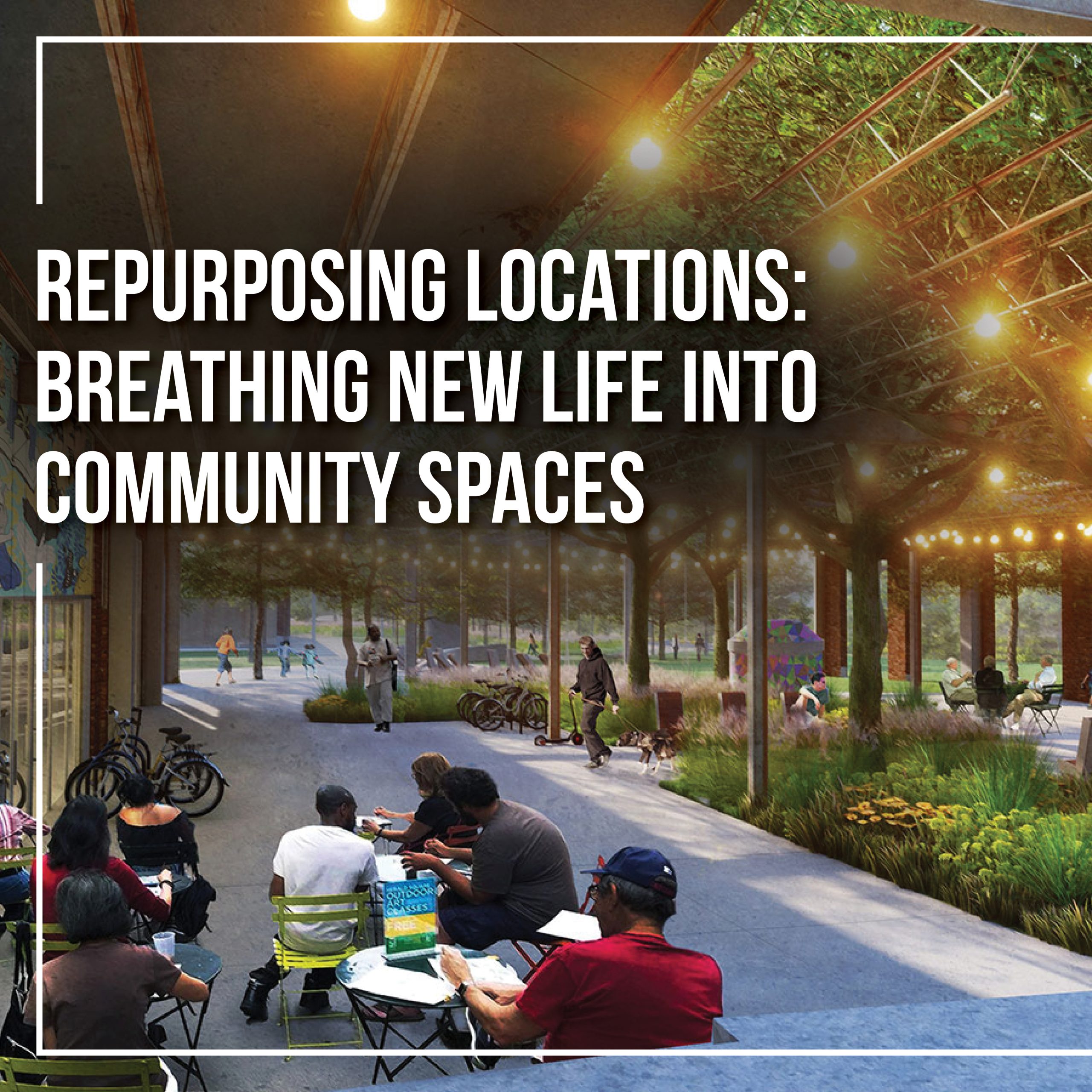
 In the ever-evolving landscape of our communities, there’s a unique opportunity to reimagine the past and breathe new life into forgotten structures. Adaptive reuse, also known as architectural or building reuse, is a sustainable and creative approach that revitalizes these spaces, giving them new purpose while enriching the fabric of our communities. Let’s explore how repurposing everything from former candy factories and ice houses to schools and churches can lead to vibrant new destinations and foster economic growth.
Preservation Meets Innovation
Adaptive reuse is a delicate dance between honoring the past and embracing the future. It’s about preserving the historical and architectural significance of a building while repurposing it for modern needs. This blend of old and new creates a unique character that contributes to the distinct identity of a community.
The Versatility of Adaptive Reuse
Adaptive reuse is incredibly versatile, offering endless possibilities for repurposing existing buildings:
- Commercial Reuse: Old industrial facilities, warehouses, or factories are transformed into retail spaces, offices, or mixed-use developments.
- Residential Reuse: Industrial buildings or commercial structures are converted into residential apartments, lofts, or condos, creating unique living spaces.
- Cultural and Arts Reuse: Historic buildings, factories, or warehouses are reimagined as museums, galleries, theaters, or creative spaces.
- Educational Reuse: Former schools, libraries, or universities are repurposed as community centers or training facilities, often with updated curricula.
- Hospitality Reuse: Historic structures are turned into hotels, inns, or boutique lodgings, preserving architectural elements while adding modern amenities.
- Religious Reuse: Churches and temples find new life as community centers, event spaces, or restaurants, blending spirituality with modern uses.
- Mixed-Use Development: Buildings combine residential, office, retail, and dining spaces, creating vibrant, walkable communities.
- Entertainment Reuse: Old theaters or factories become cinemas, concert halls, or nightclubs, transforming them into entertainment hubs.
From Candy Factory to Arts Center
Imagine stepping into a former candy factory where confections were once crafted. Today, such spaces are being transformed into arts centers, with high ceilings and expansive floorplans providing a perfect canvas for creativity to flourish. Artists and performers find a new home amid the echoes of the past, turning these industrial relics into vibrant cultural hubs.
The Ice House Art Gallery
Once used for preserving perishables, ice houses are now being defrosted to reveal their potential as art galleries. Their sturdy construction and controlled temperatures create an ideal environment for showcasing contemporary artwork against a historic backdrop, offering visitors a unique, thought-provoking experience.
Schools to Savor
Repurposing old schools into restaurants is an intriguing trend. The classrooms and hallways that once echoed with the voices of students are now filled with the aromas of culinary creations. These historic settings, often retaining features like chalkboards and lockers, provide a nostalgic and unique dining experience.
Churches as Culinary Sanctuaries
Transforming churches into restaurants brings together spirituality and gastronomy in a remarkable way. Stained glass windows cast light onto diners, and awe-inspiring architecture adds reverence to the dining experience. These repurposed spaces become venues for both culinary and cultural communion.
Community Revival and Economic Growth
Adaptive reuse does more than preserve architectural treasures—it breathes life into once-dormant areas, attracting visitors, entrepreneurs, and residents. These revitalized spaces become hubs for creativity, culture, and commerce, fueling local economies and sparking community revival.
Sustainability at the Core
At its heart, adaptive reuse is a sustainable practice. By repurposing existing structures, we reduce the environmental impact of demolition and new construction, aligning with the principles of sustainability, conserving resources, and reducing waste.
Challenges and Creativity
Of course, repurposing comes with its challenges, from meeting modern building codes to addressing structural issues. But these challenges often fuel creativity, leading to innovative solutions that enhance the character of a space and add to its story.
A Celebration of Vision and History
Adaptive reuse is a celebration of vision, creativity, and history. It transforms relics of the past into vibrant community assets that inspire, entertain, and nourish the spirit. These repurposed spaces are testaments to the enduring power of creativity and the capacity of communities to evolve while honoring their heritage. Adaptive reuse is, at its core, a beautiful bridge between yesterday and tomorrow.
Ready to explore how adaptive reuse can transform your community? Let’s work together to turn your vision into reality. Set up a call with us here, and let’s start reimagining your destination.